
Standard financial tips often miss the mark. They sound good in theory but rarely fit your specific paycheck, your exact bills, or the personal goals you’re chasing. Wouldn’t it be better if understanding your finances felt less like a memory test and more like using a guidebook written just for your life?
That’s the whole idea behind several new platforms. They recognize your money story is unique. They use thoughtful questions and smart tracking to build a financial path that connects directly with your individual circumstances and what you hope to achieve.
Finelo: The Guided Learning Companion
Finelo.com operates like a smart friend who wants to hear your story first. Everything kicks off with a quiz designed to figure out what you already know and what you want to accomplish. This initial step is crucial. It’s not a simple test, but the core ingredient for a learning plan shaped around you.

From there, the platform sifts through its extensive content library to pick out lessons that match your interests and starting point. You get a helper that answers your money questions in everyday language whenever you hit a wall. Plus, its trading simulator lets you test your ideas with play money against live market conditions.
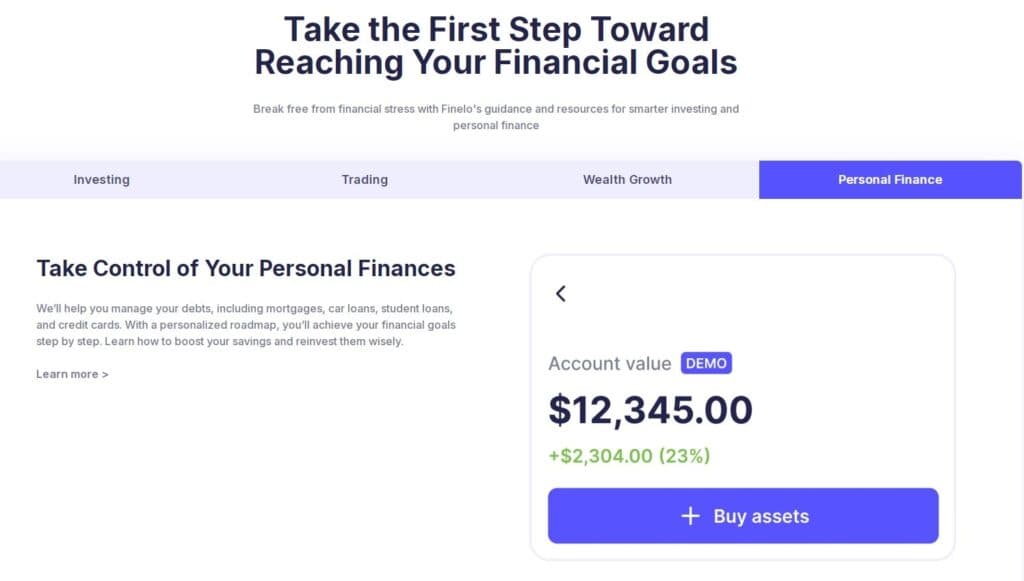
This blend of tailored education and a consequence-free practice zone builds a solid sense of readiness that goes beyond just knowing the facts.
Invstr: The Social Learning Playground
Invstr transforms financial education into a collaborative experience. Their “Fantasy Finance” game gives you virtual money to build a portfolio that competes with friends and other users. This separate gaming environment lets you experiment with investment strategies without financial pressure.
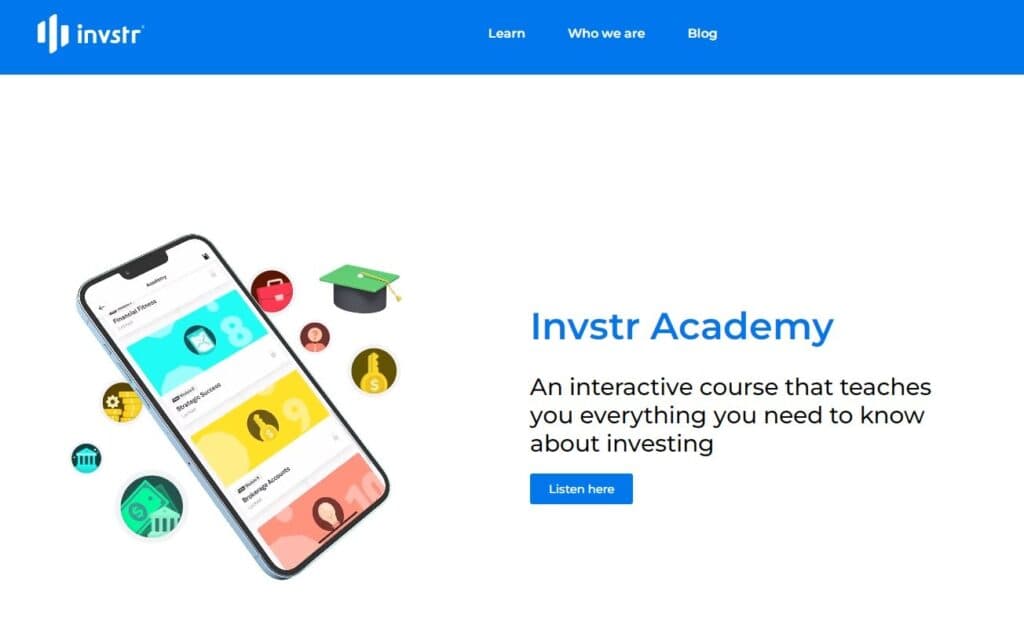
The service connects its playful elements directly to the real world of finance. After you’ve built up some comfort and skill, it provides a straightforward path to begin actual investing through its partnered brokerage.
Features for parents to monitor activity and community forums build a supportive environment for everyone involved. Invstr demonstrates that building money skills doesn’t have to be a lonely grind; it can be a dynamic and social experience that you move through on your own terms.
Empower Personal Dashboard: The Financial Health Scan
Empower builds a personalized view by examining your entire financial landscape in one place. Once you link your bank and investment accounts, it starts watching your income, your spending habits, and your investment moves on its own. The guidance it offers comes directly from what your money is really doing, not from vague, general examples.
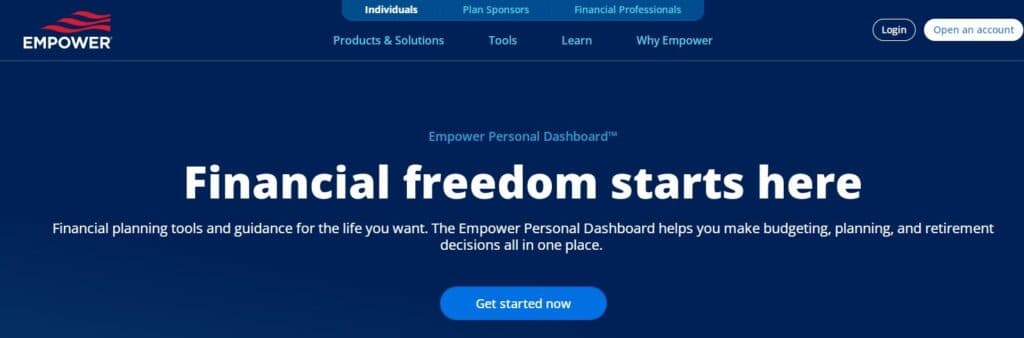
It digs into the details to find specific chances for improvement, like pointing out monthly subscriptions you forgot about or suggesting ways to lower your regular bills. If you have investments, it reviews your portfolio and proposes adjustments that fit your comfort with risk and your long-term targets.
This ongoing, automatic tracking works like a regular wellness visit for your finances, giving you custom insights that evolve as your life does, all without you having to constantly fiddle with it.
YNAB: The Money Mindset
YNAB works to change your entire relationship with personal finance through its forward-thinking system. Instead of just noting where your cash disappeared to last month, it has you assign a specific purpose to every dollar you have right now, based entirely on what’s important to you. The tool flexes and adjusts to your particular bills, your debts, and your personal dreams, forming a budget that truly represents your life.

You get live feedback with every transaction, showing you instantly how a coffee or a grocery run changes your financial landscape. This creates a direct and personal connection between your daily choices and your bigger picture, helping you see your habits in a new light.
YNAB’s learning materials are designed to address the specific problems you encounter, providing relevant help at the exact moment you need it. You end up with a financial plan that feels like it was built with your brain, not just filled into a template.
Monarch Money: The Shared Spreadsheet
Monarch Money treats the management of household finances as a team activity, making it a great fit for partners or families planning their next steps jointly. It begins by pulling all of your separate bank, credit, and investment accounts into one cohesive and easy-to-read overview, so everyone can see the full financial picture.

From that clear starting point, it assists you in designing a spending plan that aligns with your mutual objectives, be that a new house, a family trip, or just handling the monthly costs of living.
The element that truly distinguishes Monarch is how it’s built for working together. Two people can establish common financial targets and then watch their collective progress update live, keeping both parties on the same page.
The suggestions it generates are informed by your household’s total cash flow, your joint spending patterns, and your shared ambitions for the future. Using it feels less like operating a basic budget calculator and more like consulting a strategic planner for your life as a duo, transforming vague financial dreams into a concrete, synchronized action plan.
PocketGuard: Your Financial Filter
PocketGuard makes dealing with your money simpler by focusing on a single, urgent question that people ask themselves all the time: What’s safe for me to spend today without causing problems later?

Once you give it access to your financial accounts, it gets to work sorting your purchases into categories and pinpointing your set monthly bills and what you’re trying to save for. Its most famous feature is the “In My Pocket” figure, a straightforward number that tells you your free-to-use cash after it accounts for your needs, your obligations, and your goals.
The application serves as a sieve for your entire financial situation, stripping away all the distracting details to present only the information that impacts your choice at the checkout line. It actively points out opportunities to keep more of your money, suggesting actions like canceling a streaming service you never use or showing you how to get a better deal on your phone bill, all based on an analysis of your personal spending history.
This practical method helps avoid data confusion. It gives you the custom insights you need. You can spend with confidence today. And you’ll still hit your bigger targets tomorrow.
Why the First Click Matters
That initial step these services use—whether it’s a quiz or linking your bank account—carries much more weight than just gathering data. It works as a psychological anchor, setting the tone for everything that follows.
By leading with questions about your personal anxieties, your hopes for the future, and what you already understand, these tools send a clear message right away: your money situation is unique to you. This is a world apart from the old way of doing things in finance, where conversations typically began with confusing acronyms and complex products you were supposed to just accept.
This customized introduction process accomplishes two very important psychological tasks from the very beginning:
- For starters, it establishes a sense of trust almost instantly because you feel like the platform is listening to you rather than talking down to you.
- Secondly, it carefully maps out a “baseline of your understanding,” figuring out the specific spots where your knowledge is strong and where it might be lacking.
The service avoids the usual lecture. It listens to what you don’t know. Then it builds lessons to fill those specific blanks in your understanding.
You stop being just a student taking notes. You become part of the process, helping to build your own learning path. The platform stops feeling like a radio broadcast. It becomes more like a personal guide. Moving from confused to confident feels less like a huge leap and more like a simple, obvious step forward.
Final Thoughts: The Personal Finance Revolution
The move away from broad, one-size-fits-all money tips toward individualized guidance is a major shift in managing personal finance. These modern platforms highlight a key idea: becoming good with money isn’t about learning a fixed set of rules that apply to everyone. It’s about grasping how your own financial machine operates, with your specific income and your unique expenses.
Tools that can bend and adjust to your current understanding, your future aims, and even the slip-ups you make along the way stop being just simple apps. They become more like a dedicated coach for your wallet. This tailored support makes the process of getting control of your finances seem much more possible because it begins with your reality today and expands from there. The lessons have staying power because you can use them right away.
A quality financial tool should never force you to squeeze into its predefined box. It needs to be the one that bends, molding itself to the distinct pattern of your financial life to build a route toward confidence that acknowledges where you’re beginning and knows where you want to end up.